Last updated: May 25, 2026
How to Change Aquarium Filter: Discover the Best Practices for Clarity
Changing your aquarium filter is crucial for maintaining a healthy environment for your aquatic life. In this guide, you will learn how often to change your filter and the best practices for doing so safely and effectively. Always remember to handle your aquarium equipment with care to avoid stressing your fish or damaging your setup.
Disclosure: As an Amazon Associate I earn from qualifying purchases.

- ✅Deep Filtration: Designed with multiple filters such as three-dimensional honeycomb mes…
- ✅Durable Materials: Made of a variety of high-quality materials, it can withstand contin…
- ✅Reusable: This filter sponge can be reused multiple times after proper cleaning. In the…
What You’ll Need
Gathering the right tools and products will make the process smoother and more effective. For optimal filtration results, consider the following tips:
- Aquarium filter pad: Provides effective filtration and is designed to capture impurities efficiently.
- Bucket: Used for holding water during the filter change to minimize disruption to the tank’s ecosystem.
- Siphon or gravel vacuum: Helps remove debris and waste from the substrate while changing the filter.
- Clean sponge or cloth: For wiping down the filter and other components without leaving harmful residues.
- Replacement filter media: Ensures that your filter maintains its effectiveness after cleaning or replacing old media.
Step-by-Step
- Turn off the aquarium filter and unplug it to ensure safety while you work.
- Remove the filter from the aquarium, taking care not to disturb the substrate or aquatic life excessively.
- Use the siphon or gravel vacuum to remove debris from the tank, improving overall water quality.
- Rinse the filter components with aquarium water, avoiding tap water as it can kill beneficial bacteria.
- Replace the old filter pad or media with new or cleaned media, ensuring it fits properly in the filtration system.
- Reassemble the filter according to the manufacturer’s instructions, ensuring all parts are securely in place.
- Place the filter back into the aquarium and plug it in, allowing it to start circulating water.
- Monitor the water clarity and the filter’s performance for the next few days to ensure everything is functioning well.
Pro Tips for Better Results
- Change or clean filter media every 2 to 4 weeks, depending on the bioload of your tank.
- Always rinse filter media in aquarium water to preserve beneficial bacteria that help break down waste.
- Keep a maintenance schedule to ensure you do not forget to change your filter regularly.
Common Mistakes
Be aware of these pitfalls to avoid problems:

- Changing all the filter media at once can lead to a spike in ammonia levels due to the loss of beneficial bacteria.
- Using tap water to clean filter components can introduce harmful chemicals that may harm fish.
- Neglecting to monitor water parameters after a filter change can lead to unnoticed issues.
Troubleshooting
If you encounter issues, consider the following solutions:
- If water clarity does not improve after changing the filter, check if the filter is functioning properly and that the media is correctly installed.
- If the filter is making unusual noises, ensure that it is properly submerged and that there are no air bubbles trapped inside.
- If debris continues to accumulate quickly, consider increasing the frequency of filter changes or evaluating the tank’s bioload.
What to Expect
- ✅Deep Filtration: Designed with multiple filters such as three-dimension…
- ✅Durable Materials: Made of a variety of high-quality materials, it can …
- ✅Reusable: This filter sponge can be reused multiple times after proper …
Maintenance / Next-Time Checklist
For future filter changes, keep this checklist in mind:
- Inspect filter components for wear and tear before each change.
- Ensure you have replacement media on hand before starting the process.
- Document the date of your last filter change to keep track of maintenance intervals.
Recommended Products & Tools
The following products can enhance your aquarium maintenance routine:
- Borlech 8-Layer Fast-Acting Aquarium Filter Pad: This pad offers deep filtration and is easy to cut to size, ensuring a perfect fit for your filter.
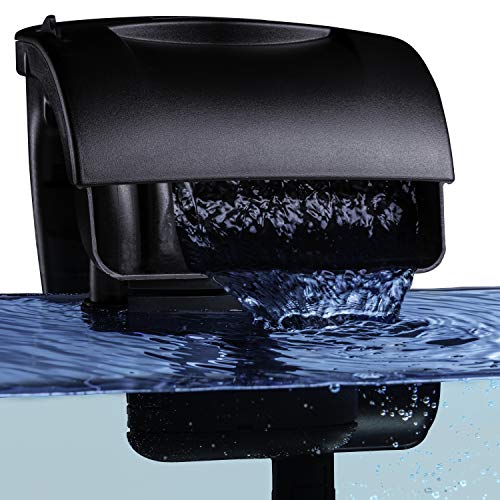
- DaToo Aquarium Power Filter: This filter is powerful and ultra-quiet, making it a great choice for maintaining a clean environment without disturbing your fish.
- Pawfly Internal Aquarium Filter: With a fine sponge for filtration, this filter is ideal for smaller tanks and helps maintain optimal oxygen levels.
FAQ
How often should I change my aquarium filter? The general recommendation is to change filter media every 2 to 4 weeks, depending on your tank’s bioload.
Can I clean the filter media instead of replacing it? Yes, you can clean the filter media with aquarium water, but be cautious not to over-clean, as this can remove beneficial bacteria.
What happens if I don’t change the filter? Failing to change the filter can lead to poor water quality, which may harm your fish and lead to algae blooms.
How can I tell if my filter is working properly? Monitor the water clarity and flow rate; if either decreases significantly, it may be time to inspect or replace the filter media.
Is it necessary to clean the entire filter system? Regularly cleaning the filter components is important, but avoid deep cleaning all at once to maintain beneficial bacteria levels.
What Most Buyers Overlook
- Most mistakes come from rushing prep work or skipping the last verification step.
- A simple tool or accessory can save time and reduce repeat work.
Wrap-Up
Regularly changing and maintaining your aquarium filter is essential for the health of your aquatic ecosystem. By following the steps outlined in this guide, you can ensure your fish thrive in a clean and healthy environment. Remember to keep a maintenance schedule and monitor your tank’s conditions for the best results.
Helpful Tools & Picks
- ✅Deep Filtration: Designed with multiple filters such as three-dimensional honeycomb mes…
- ✅Durable Materials: Made of a variety of high-quality materials, it can withstand contin…
- ✅Reusable: This filter sponge can be reused multiple times after proper cleaning. In the…
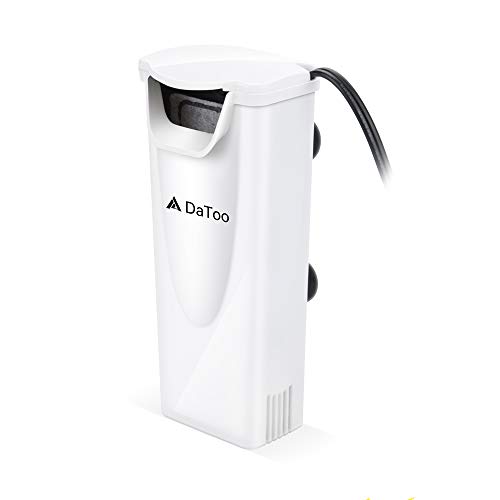
- DaToo AQUARIUM FILTER: How to create a clean and healthy environment for our beloved fis…
- POWERFUL FILTERING: In the process of raising fish, due to feeding and fish excretion, o…
- ULTRA-QUIET: Humans need a good night's sleep, and so are fish. Noise can make fish irri…