Last updated: May 28, 2026
How to set up aquarium air pump: Tips for a thriving fish tank
Setting up an aquarium air pump is essential for maintaining a healthy aquatic environment. This guide will help you effectively set up your air pump, ensuring your fish and plants thrive. Remember to follow safety precautions when handling electrical equipment and water.
Disclosure: As an Amazon Associate I earn from qualifying purchases.

- This air pump fits for up to 100gal fish tank; Dimension: 4×2.25×1.75 inches (L x W x H)
- Dual Outlets: Convenient and powerful enough to run several sponge filters, air stones, …
- Quiet Aeration: 4 rubber stabilizer feet minimize vibration for a steady and quiet strea…
What You’ll Need
Before you start, gather the following items:
- AQUANEAT Aquarium Air Pump: Adjustable dual-outlet design allows for multiple air stones or filters, ensuring optimal oxygenation.
- Airline Tubing: Flexible tubing connects the pump to air stones or filters, delivering oxygen efficiently.
- Air Stones: These diffuse the air into fine bubbles, increasing oxygen exchange in the water.
- Check Valves: Prevent backflow of water into the pump, protecting it from damage.
- Scissors: To cut the tubing to the desired lengths.
- Power Source: Ensure you have an electrical outlet nearby for the air pump.
Step-by-Step
- Choose a suitable location for the air pump, ideally above the water level of the aquarium to prevent backflow.
- Connect the airline tubing to the air pump’s outlet, pushing it on securely to ensure a tight fit.
- Measure and cut the tubing to the desired length, allowing it to reach the bottom of the tank where the air stone will be placed.
- Attach the other end of the tubing to the air stone, ensuring it is securely connected.
- If using multiple air stones, repeat the process for each one, connecting them to the dual outlets of the pump.
- Position the air stones in the tank, ensuring they are submerged and placed where they can effectively aerate the water.
- Plug in the air pump and turn it on. Adjust the airflow using the control knob to achieve your desired bubble output.
- Monitor the tank for a few minutes to ensure the air stones are functioning correctly and producing bubbles.
Pro Tips for Better Results
For optimal performance, regularly check the air stones for clogs and replace them when necessary. Adjust the air flow based on the needs of your fish and plants, as different species may require varying levels of oxygen. Keeping the pump clean and dust-free will enhance its longevity and efficiency.
Common Mistakes
Avoid placing the air pump below the water level, which can lead to water backflow and damage the pump. Also, ensure the tubing is not kinked or pinched, as this can restrict airflow. Lastly, do not overload the pump with too many air stones, as this can diminish its efficiency.
Troubleshooting
If the pump is not producing bubbles, check the power source and ensure the pump is plugged in. Inspect the tubing and air stones for clogs or disconnections. If the pump is noisy, ensure it is on a stable surface and check for any loose components.
What to Expect
- This air pump fits for up to 100gal fish tank; Dimension: 4×2.25×1.75 in…
- Dual Outlets: Convenient and powerful enough to run several sponge filte…
- Check fit or sizing first.
- Expect some trade-offs by use case.
Maintenance / Next-Time Checklist
Regularly clean the air stones and replace them as needed. Inspect the tubing for wear and tear, and replace it if necessary. Keep the pump free from dust and debris to ensure optimal airflow and performance.
Recommended Products & Tools
The AQUANEAT Aquarium Air Pump is a great choice for its adjustable dual-outlet design and quiet operation. Airline tubing is essential for flexible connections, while air stones diffuse air effectively. Check valves are crucial for preventing backflow, ensuring your pump remains safe and functional.
FAQ
How often should I clean the air stones? Clean air stones every few weeks to prevent clogging and maintain efficient oxygenation.
Can I use multiple air pumps in one tank? Yes, multiple air pumps can be used, but ensure they are balanced to avoid excessive turbulence.
What if my fish seem stressed by the bubbles? Adjust the airflow to reduce bubble size and intensity, or reposition the air stones to a less disruptive location.
Is it safe to run the air pump 24/7? Yes, running the air pump continuously is safe and beneficial for maintaining oxygen levels.
How do I know if my tank needs more aeration? Observe your fish; if they are gasping at the surface or swimming sluggishly, it may indicate low oxygen levels.
In conclusion, setting up your aquarium air pump correctly is vital for a thriving aquatic environment. Following the steps outlined in this guide will ensure your fish and plants receive the oxygen they need to flourish. Regular maintenance and monitoring will help maintain a healthy tank for years to come.
What Most Buyers Overlook
- Most mistakes come from rushing prep work or skipping the last verification step.
- A simple tool or accessory can save time and reduce repeat work.
Helpful Tools & Picks
- This air pump fits for up to 100gal fish tank; Dimension: 4×2.25×1.75 inches (L x W x H)
- Dual Outlets: Convenient and powerful enough to run several sponge filters, air stones, …
- Quiet Aeration: 4 rubber stabilizer feet minimize vibration for a steady and quiet strea…

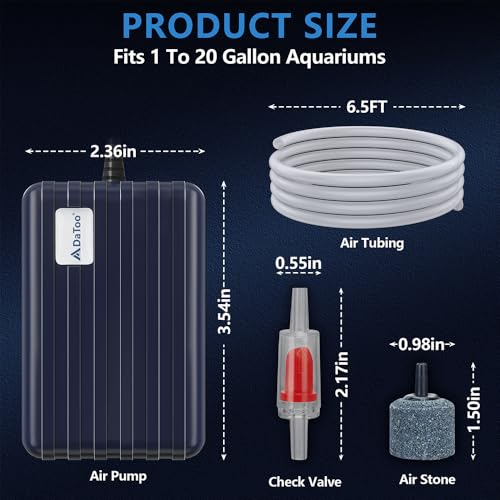
- 【DaToo 3W 40GPH AIR PUMP】: Don't let oxygen supply become a concern in your happy aquari…
- 【SMALL BODY BIG POWER】: DaToo 3W air pump has a small body of 3.5*1*1inch, which can be …
- 【WHISPER-SILENT MODE】: As we all know that vibration noise is the key to the noise level…