Last updated: June 21, 2026
How to Determine How Often to Feed Fish: Insights from Aquarists
Feeding fish properly is crucial for their health and growth. In this guide, you will learn how often to feed fish based on their species, size, and tank conditions. Additionally, we will cover practical tips and common mistakes to avoid while feeding your aquatic pets. Always remember to monitor your fish closely for any signs of stress or overfeeding.
Disclosure: As an Amazon Associate I earn from qualifying purchases.
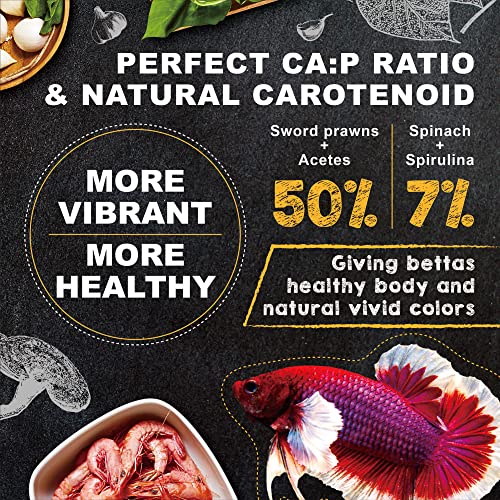
- Nutritious food ingredients that fish are naturally attracted to
- Food designed to bring out their true colors
- Formulated so that fish utilize more of what they eat and create less waste
What You’ll Need
Fish food: Choose a high-quality fish food that meets the dietary needs of your specific fish species for optimal health.
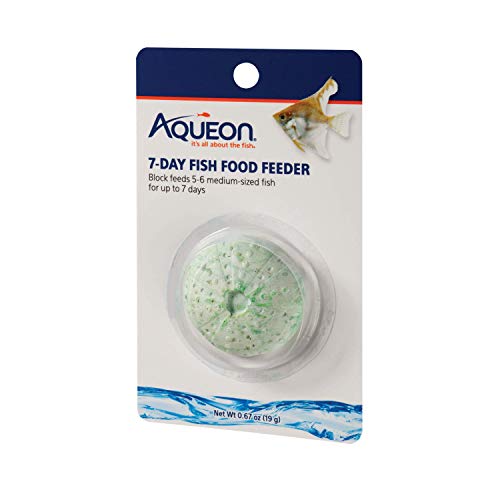
Aqueon 7 Day Vacation Feeder: Ideal for when you’re away, this slow-release food provides nutrition for up to 7 days, preventing overfeeding.
Feeding tool (optional): A feeding tool can help dispense food evenly and prevent overfeeding, ensuring your fish receive the right amount.
Step-by-Step
- Identify your fish species: Different species have different dietary needs and feeding frequencies. Research your specific fish to determine their requirements.
- Assess the size of your fish: Smaller fish often require more frequent feeding than larger ones. Generally, small fish may need to be fed two to three times a day, while larger fish can be fed once a day.
- Consider the fish’s age: Fry and young fish need more frequent feedings compared to adult fish. Young fish may require meals several times a day to support their growth.
- Evaluate the tank conditions: Water temperature, quality, and tank mates can affect feeding frequency. Warmer water often increases metabolism, requiring more frequent feedings.
- Monitor feeding time: Feed your fish for about 2-3 minutes, allowing them to consume the food without overfeeding. This helps maintain water quality.
- Adjust based on fish behavior: Observe your fish during feeding. If they seem overly aggressive or leave food uneaten, adjust the amount you are feeding.
- Use vacation feeders if needed: When you are away, consider using a product like the Aqueon 7 Day Vacation Feeder to ensure your fish are fed consistently without risk of overfeeding.
- Keep a feeding schedule: Establish a routine to help you remember when and how much to feed your fish. Consistency is key to their health.
Pro Tips for Better Results
Utilize a variety of food types to meet the nutritional needs of your fish, including flakes, pellets, and freeze-dried options. Avoid feeding your fish during water changes or if they appear stressed. Always remove any uneaten food promptly to maintain tank cleanliness.
Common Mistakes
One common mistake is overfeeding, which can lead to poor water quality and health issues for your fish. Another mistake is neglecting to adjust feeding based on changes in fish size or species. Lastly, failing to establish a consistent feeding schedule can disrupt your fish’s eating habits.

Troubleshooting
If your fish are not eating, check for stress factors such as water quality or tank mates. If you notice excess food left in the tank, reduce the portion sizes. If fish are fighting over food, consider increasing feeding frequency or the amount of food offered.
What to Expect
- Nutritious food ingredients that fish are naturally attracted to
- Food designed to bring out their true colors
- Check fit or sizing first.
- Expect some trade-offs by use case.
Maintenance / Next-Time Checklist
Regularly check water parameters to ensure they are within optimal ranges for your fish. Keep an eye on fish behavior during feeding times and adjust your feeding schedule as needed. Clean any feeding tools and remove uneaten food to prevent waste buildup.
Recommended Products & Tools
Aqueon 7 Day Vacation Feeder is useful for ensuring your fish receive nutrition while you are away, preventing overfeeding. FZONE Aquarium Fish Feeder makes feeding more convenient with accurate control, ensuring your fish get the right amount of food. Fluval Bug Bites provides a nutritious option for bottom feeders, enhancing their diet and overall health.
FAQ
How often should I feed my fish? It depends on the species and size; small fish often require feeding two to three times a day, while larger fish may need just once.
Can I leave my fish without food for a week? Using a vacation feeder can help, but if possible, arrange for someone to feed them during your absence.
What if my fish are not eating? Check water quality and tank conditions, as stress factors can affect their appetite.
Is it okay to feed fish at different times each day? While consistency is ideal, minor variations are generally acceptable. Just ensure they are fed regularly.
How can I tell if I am overfeeding my fish? Signs include uneaten food accumulating in the tank, poor water quality, and fish exhibiting signs of stress or illness.
What Most Buyers Overlook
- Most mistakes come from rushing prep work or skipping the last verification step.
- A simple tool or accessory can save time and reduce repeat work.
Wrap-Up
Understanding how often to feed your fish is essential for their health and growth. By considering factors like species, size, and tank conditions, you can create a feeding routine that supports their needs. Remember to monitor their behavior and adjust your feeding practices as necessary to ensure a thriving aquatic environment.
Helpful Tools & Picks
- Nutritious food ingredients that fish are naturally attracted to
- Food designed to bring out their true colors
- Formulated so that fish utilize more of what they eat and create less waste

- Accurate Feeding Control:The press-to feed operation makes feeding more convenient. Each…
- Sleek and Elegant Design:The mini fish feeder is made of aluminum alloy with a sandblast…
- Compact Capacity for Small Fish:The fish feeder features a 15ml capacity and is designed…