Last updated: September 20, 2026
How to plant aquarium plants: Tips for a thriving underwater garden
Planting aquarium plants can transform your tank into a vibrant underwater garden, enhancing both the aesthetic and the health of your aquarium ecosystem. By following the steps outlined in this guide, you will learn how to successfully plant and care for your aquatic greenery. Always remember to handle your aquarium equipment and plants gently to avoid any damage or stress to your fish.
Disclosure: As an Amazon Associate I earn from qualifying purchases.
What You’ll Need
Gathering the right tools and materials is essential for successfully planting aquarium plants. Here’s what you’ll need: To enhance your success with aquarium plants, consider the following tips:
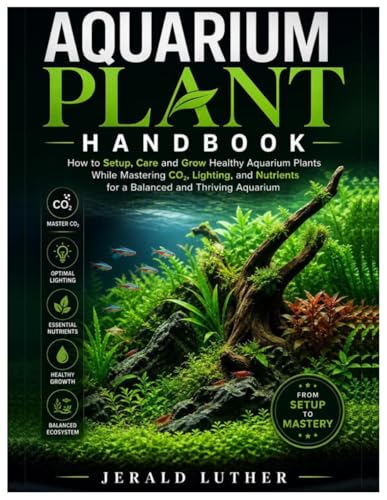
- Aquarium Plant Handbook: Provides detailed guidance on setup, care, and nutrient management, ensuring your plants thrive.
- API LEAF ZONE Freshwater Aquarium Plant Fertilizer: Contains essential nutrients like iron and potassium for robust plant growth and vibrant leaves.
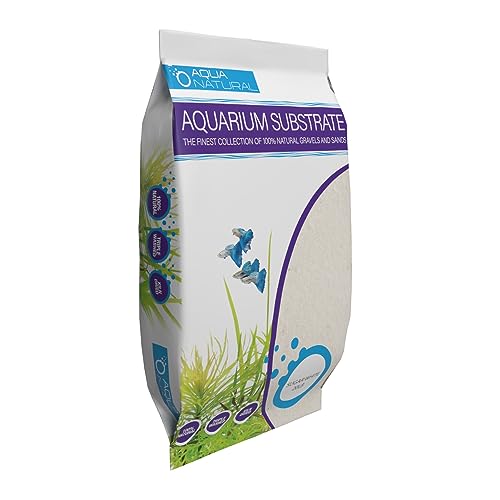
- Substrate (aquarium soil or gravel): Provides a nutrient-rich base for your plants to anchor their roots and absorb nutrients.
- Scissors: Sharp and precise for trimming roots and leaves to promote healthy growth.
- Water conditioner: Ensures your aquarium water is safe for both plants and fish by removing harmful chemicals.
- Lighting system: Adequate light is crucial for photosynthesis; choose a system suitable for the types of plants you are using.
Step-by-Step
- Prepare the Aquarium: Clean the tank thoroughly and rinse any substrate you plan to use. Ensure the tank is free from chemicals and residues.
- Layer the Substrate: Add 1-2 inches of substrate to the bottom of the aquarium, creating a gentle slope if desired, which can enhance the visual appeal.
- Choose Your Plants: Select a variety of aquatic plants based on your aquarium’s size, lighting, and fish species. Hardy plants are often easier for beginners.
- Trim Roots if Necessary: Before planting, trim any excessively long or damaged roots to encourage healthy growth.
- Plant the Aquatic Plants: Create small holes in the substrate, place the roots gently into the holes, and cover them with substrate, ensuring the crown of the plant is above the substrate.
- Water the Plants: Fill the aquarium with dechlorinated water, being careful not to disturb the substrate. Use a plate or bowl to diffuse the water flow.
- Set Up Lighting: Install your lighting system, ensuring it is appropriate for the type of plants you have chosen. Aim for 10-12 hours of light per day.
- Fertilize and Monitor: After a week, add API LEAF ZONE according to package instructions to provide necessary nutrients and monitor plant health regularly.
Pro Tips for Better Results
- Research plant compatibility with your fish to avoid any potential conflicts.
- Regularly check water parameters such as pH, ammonia, and nitrate levels to maintain a healthy environment.
- Rotate plants occasionally to ensure even light exposure and growth.
Common Mistakes
Avoid these common pitfalls to ensure the success of your planted aquarium:

- Overcrowding the tank with too many plants can lead to competition for nutrients and light.
- Neglecting to condition the water can harm both plants and fish, leading to poor growth.
- Insufficient lighting can stunt plant growth; ensure you provide adequate light for the specific plants you selected.
Troubleshooting
If you encounter issues with your aquarium plants, consider these solutions:
- If plants are yellowing, check for nutrient deficiencies and consider using a fertilizer like API LEAF ZONE.
- For wilting plants, ensure they are not being overwatered or that the substrate is not too compacted.
- If algae growth is excessive, reduce the lighting duration and consider adding algae-eating fish or invertebrates.
What to Expect
- Used Book in Good Condition
- Contains one (1) API LEAF ZONE Freshwater Aquarium Plant Fertilizer 16-O…
- Check fit or sizing first.
- Expect some trade-offs by use case.
Maintenance / Next-Time Checklist
To keep your aquarium plants healthy, follow this maintenance checklist:
- Regularly prune dead or decaying leaves to promote new growth.
- Change 10-20% of the water weekly to maintain water quality.
- Reassess lighting and fertilization based on plant health and growth patterns.
Recommended Products & Tools
These products can enhance your aquarium planting experience:
- Aquarium Plant Handbook: Offers comprehensive knowledge for setting up and caring for aquarium plants.
- API LEAF ZONE Freshwater Aquarium Plant Fertilizer: Essential for providing nutrients that promote healthy plant growth.
- Aquarium Plants: A mini encyclopedia that helps in choosing the best varieties suited for your aquarium.
FAQ
- How often should I fertilize my aquarium plants? Fertilize weekly, following the guidelines on the product label for best results.
- What type of lighting is best for aquarium plants? Full-spectrum LED lights are ideal as they support photosynthesis and plant growth.
- Can I use garden soil in my aquarium? It’s not recommended; use aquarium-specific substrates to avoid harmful chemicals.
- How can I tell if my plants are healthy? Healthy plants will have vibrant leaves without yellowing or wilting and will show new growth.
- Should I remove dead leaves from my plants? Yes, promptly remove any dead or decaying leaves to prevent water quality issues.
What Most Buyers Overlook
- Most mistakes come from rushing prep work or skipping the last verification step.
- A simple tool or accessory can save time and reduce repeat work.
Wrap-Up
Planting aquarium plants can be a rewarding hobby that enhances the beauty and health of your aquatic environment. By following the steps outlined in this guide and utilizing the recommended products, you can create a thriving underwater garden that benefits both your plants and fish. Regular maintenance and attention to detail will ensure your aquarium remains a vibrant ecosystem for years to come.
Helpful Tools & Picks

- Used Book in Good Condition