Last updated: May 16, 2026
Understanding If Betta Fish Require a Filter for Their Habitat
Betta fish can thrive in aquariums without a filter, but having one can significantly improve their living conditions. While bettas are known for their ability to survive in less-than-ideal water conditions, a filter promotes a healthier environment by maintaining water quality.
The decision to use a filter largely depends on the size of the tank and the specific needs of your betta. Smaller tanks may not require a filter if you perform regular water changes, while larger tanks benefit from filtration to manage waste and maintain clarity.
Disclosure: As an Amazon Associate I earn from qualifying purchases.
Prefer to browse a couple of relevant options before you decide? Check current options on Amazon.
Why This Matters
Understanding whether betta fish need a filter is essential for their health and well-being. Filters help to remove waste, excess food, and toxins from the water, preventing harmful conditions that can lead to stress or disease. In a filtered environment, bettas can exhibit more natural behaviors, leading to a more vibrant and active fish.
Furthermore, a filter aids in the establishment of beneficial bacteria that break down ammonia and nitrites, which are toxic to fish. This biological filtration is crucial for maintaining a stable environment, especially in tanks that house multiple fish or aquatic creatures.
Key Benefits
What to Expect
- Slim and compact design, hardly noticeable on the tank, great choice for…
- Quiet operation with adjustable flow, doesn't overly disturb the fauna, …
- Check fit or sizing first.
- Expect some trade-offs by use case.
Having a filter in a betta tank can offer several benefits:
1. **Water Quality Maintenance**: Filters help keep the water clean by removing debris and waste. This is particularly important in smaller tanks where waste can accumulate quickly.
2. **Aeration**: Many filters introduce oxygen into the water, promoting a healthier environment. This is vital for bettas, as they require well-oxygenated water to thrive.
3. **Ease of Maintenance**: A filter reduces the frequency of water changes needed. With proper filtration, you can maintain stable water parameters for longer periods.
Common Drawbacks & Limitations
While filters are beneficial, there are some drawbacks to consider:
1. **Water Flow**: Some filters can create strong currents, which may stress betta fish. Bettas prefer calm waters, so choosing a filter with adjustable flow is crucial.
2. **Noise**: Certain filter models can be noisy, which may disturb both the fish and their owners. A quieter model can enhance the tank experience.
3. **Initial Setup**: Filters require some setup and maintenance, including changing cartridges and cleaning the unit. This can be a consideration for new aquarium owners.
What to Look For (Buyer’s Checklist)
When choosing a filter for your betta fish, consider the following criteria:
- Tank Size: Ensure the filter is suitable for your tank size. Filters designed for small tanks (up to 5 gallons) will help prevent over-filtration in a smaller environment.
- Flow Rate: Look for filters with adjustable flow rates. A filter that allows you to control the water flow can help prevent stress for your betta.
- Noise Level: Choose a filter known for quiet operation. A quieter model is less likely to disturb your betta and create a more pleasant atmosphere in your home.
- Filtration Type: Consider filters that offer mechanical and biological filtration. This dual-action helps maintain better water quality by removing debris and promoting beneficial bacteria.
- Ease of Maintenance: Check if the filter is easy to clean and if replacement parts are readily available. Regular maintenance is essential for a healthy aquarium.
How to Choose for Your Situation

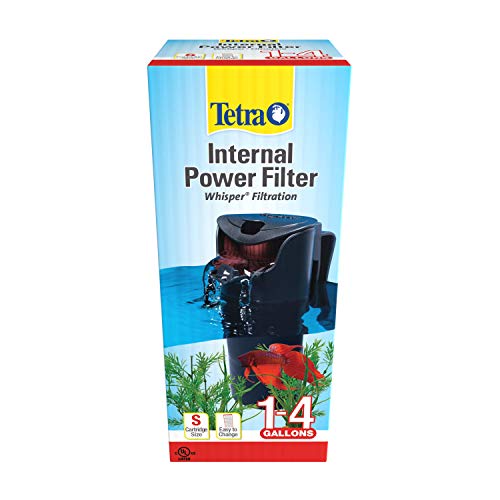
Selecting the right filter for your betta tank involves assessing your specific situation. If you have a small tank, a compact filter like the NICREW Slim Aquarium Filter may be ideal due to its adjustable flow and quiet operation. For slightly larger tanks, the Tetra Whisper 4i Internal Power Filter provides effective filtration while being easy to maintain.
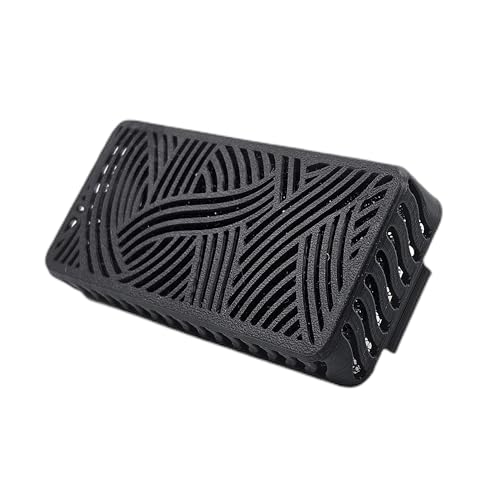
If you prefer a more natural filtration method, the Pawfly Aquarium Corner Sponge Filter is a great option. It provides mechanical and biological filtration without creating strong currents.
Care, Safety, and Longevity Tips
To ensure the longevity of your filter and the health of your betta fish, follow these care tips:
1. **Regular Maintenance**: Clean the filter every few weeks, rinsing components in aquarium water to preserve beneficial bacteria.
2. **Monitor Water Parameters**: Regularly check water quality, including ammonia and nitrite levels, to ensure the filter is functioning properly.
3. **Adjust Flow as Needed**: If you notice your betta struggling with the current, adjust the filter flow or reposition the filter to reduce water movement.
Recommended Picks
For those looking to invest in a filter, consider these options:
– The NICREW Slim Aquarium Filter is a quiet and compact choice for tanks up to 5 gallons, providing adjustable flow for your betta.
– The Tetra Whisper 4i Internal Power Filter is suitable for small aquariums and offers powerful filtration with easy maintenance.
– The Pawfly Aquarium Corner Sponge Filter is designed for larger tanks and promotes a gentle water flow, perfect for bettas and other small fish.
FAQ
Do betta fish need a filter in a small tank? While not strictly necessary, a filter can greatly enhance water quality and reduce maintenance frequency.
What type of filter is best for betta fish? Filters with adjustable flow rates and quiet operation are ideal, as bettas prefer calm waters.
How often should I clean the filter? It’s advisable to clean the filter every 2-4 weeks, using aquarium water to avoid killing beneficial bacteria.
Can a filter harm my betta fish? If the flow is too strong, it can stress your betta. Choosing a filter with adjustable flow helps mitigate this risk.
How do I know if my filter is working properly? Regular monitoring of water parameters and observing the cleanliness of the tank can indicate if your filter is functioning well.
What Most Buyers Overlook
- The right choice depends on your daily constraints, not just the most advanced option.
- Ease of setup, maintenance, and fit often matter more than one extra feature.
Conclusion
In conclusion, while betta fish can survive without a filter, having one can significantly improve their habitat and overall health. Filters help maintain water quality, promote beneficial bacteria, and reduce the need for frequent water changes. When selecting a filter, consider your tank size, flow rate, and maintenance requirements to find the best fit for your betta’s needs.
A Couple of Relevant Options