Last updated: May 17, 2026
How to determine how long to cycle a fish tank: Expert Insights
Cycling a fish tank is an essential process that establishes a stable environment for your aquatic pets. By understanding how long it takes to cycle your tank, you can prevent fish loss and promote a healthy ecosystem. This guide will walk you through the steps to successfully cycle your aquarium, along with helpful tips and common pitfalls to avoid.
Disclosure: As an Amazon Associate I earn from qualifying purchases.

Before starting, ensure you have all necessary equipment and take safety precautions, such as washing your hands before handling fish or aquarium supplies to prevent contamination.
What You’ll Need
Utilize a beneficial bacteria supplement to speed up the cycling process. Regularly check water parameters to catch any issues early. Avoid overfeeding your fish during the initial stages to prevent ammonia spikes. One common mistake is adding fish too soon, which can lead to stress or death. Another is not monitoring water parameters, causing undetected spikes in ammonia or nitrite levels. Additionally, skipping the use of dechlorinator can kill beneficial bacteria.
Aquarium Test Kit: Essential for monitoring ammonia, nitrite, and nitrate levels during the cycling process.
Filter System: A good filtration system helps maintain water quality and supports beneficial bacteria growth.
Dechlorinator: Removes harmful chlorine and chloramine from tap water, which can kill beneficial bacteria.
Beneficial Bacteria Supplement: Products like Fluval Cycle Biological Enhancer provide an immediate source of beneficial bacteria to aid in cycling.
Fish Food or Ammonia Source: Provides a food source for beneficial bacteria to grow; fish food decomposes to release ammonia.
Heater (if necessary): Maintains a stable temperature conducive to bacterial growth, especially in colder environments.
Step-by-Step
- Set Up Your Aquarium: Assemble your tank, filter, heater, and substrate. Fill it with dechlorinated water.
- Install the Filter: Ensure your filter is running properly. This is crucial for water circulation and bacteria growth.
- Introduce an Ammonia Source: Use fish food or a pure ammonia solution to create ammonia levels of around 2-4 ppm, which will feed beneficial bacteria.
- Monitor Water Parameters: Test the water weekly using your aquarium test kit to track ammonia, nitrite, and nitrate levels.
- Wait for the Cycle to Complete: Typically, cycling takes 4-6 weeks. You will see ammonia levels spike, followed by a rise in nitrite levels, and finally, nitrate levels will increase as beneficial bacteria establish.
- Perform a Water Change: Once ammonia and nitrite levels drop to zero, perform a partial water change (about 25-50%) to reduce nitrate levels.
- Add Fish Gradually: Introduce fish slowly to prevent overwhelming the newly established bacteria. Start with a few hardy species.
- Continue Monitoring: Keep testing water parameters regularly for the first few months to ensure stability.
Pro Tips for Better Results
Common Mistakes

Troubleshooting
If ammonia levels are not dropping, check that your filter is functioning and that there is enough food source for bacteria. If nitrite levels remain high, consider waiting longer before adding fish and ensure proper aeration. Cloudy water can indicate excess bacteria; perform a water change to clear it up.
What to Expect
- All-natural water care creates a safe biological habitat to prevent fish…
- Infused with a powerful team of beneficial bacteria that immediately ino…
- Check fit or sizing first.
- Expect some trade-offs by use case.
Maintenance / Next-Time Checklist
After completing the cycle, continue to test water parameters regularly. Perform partial water changes as necessary and clean the substrate to remove waste. For future setups, prepare your beneficial bacteria and ammonia source in advance to ensure a smoother cycling process.
Recommended Products & Tools
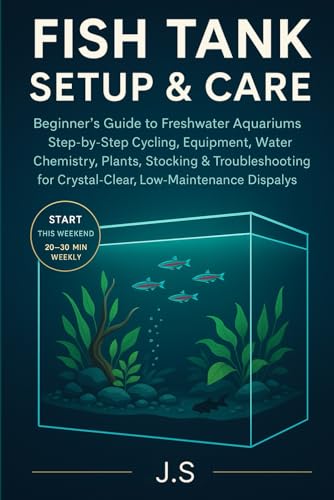
The KIDS AQUARIUM GUIDE: The Zero-Failure Aquarium offers valuable insights into preventing fish diseases and managing algae, which can be crucial during cycling. The Fluval Cycle Biological Enhancer provides an effective way to establish beneficial bacteria quickly. The Axolotl Bio-Cycle Bible can help you understand the nitrogen cycle in detail, ensuring long-term success for your aquarium.
FAQ
How long does it take to cycle a fish tank? Typically, cycling a fish tank takes 4-6 weeks, depending on conditions and methods used.
Can I speed up the cycling process? Yes, using beneficial bacteria supplements and ensuring a proper ammonia source can help speed up cycling.
What happens if I add fish too soon? Adding fish too early can lead to stress or death due to toxic ammonia or nitrite levels.
Is it normal for the water to be cloudy during cycling? Yes, cloudy water can indicate a bacterial bloom, which is a normal part of the cycling process.
Do I need to clean my tank during cycling? It’s best to avoid heavy cleaning during cycling to allow beneficial bacteria to establish; light maintenance is acceptable.
What Most Buyers Overlook
- Most mistakes come from rushing prep work or skipping the last verification step.
- A simple tool or accessory can save time and reduce repeat work.
Wrap-Up
Cycling your fish tank is a crucial step in creating a healthy environment for your aquatic pets. By following the outlined steps and avoiding common mistakes, you can ensure a successful cycling process. Remember to monitor your water parameters closely and provide a stable environment for your fish to thrive.
Helpful Tools & Picks