Last updated: June 24, 2026
How to clean aquarium gravel: Tips for a healthier fish environment
Cleaning aquarium gravel is essential for maintaining a healthy environment for your fish. This process helps remove waste, uneaten food, and debris that can accumulate over time. In this guide, you will learn effective methods for cleaning your aquarium gravel, ensuring your tank remains a safe and clean habitat for your aquatic friends. Remember to take necessary precautions, such as ensuring the water temperature is suitable for your fish and avoiding sudden changes in their environment.
Disclosure: As an Amazon Associate I earn from qualifying purchases.

- FUNCTION — Easy to control, convenient to siphon fish faeces, impurities, turbid water…
- 5 Feet HOSE — Made from clear & elastic plastic. Makes it more durable and anti-kinkin…
- GRAVEL TUBE — Sinkable, with a detachable filter screen inside. Will not disturb fish …
What You’ll Need
Gathering the right tools will make the cleaning process more efficient and effective. For optimal results, consider these tips:
- Aquarium siphon vacuum: A tool like the Laifoo 5ft-S Aquarium Siphon Vacuum Cleaner helps siphon out waste and impurities without disturbing the gravel too much.
- Bucket: Essential for collecting dirty water and debris; it allows you to easily dispose of waste.
- Fish net: Useful for catching any fish that may get in the way during cleaning.
- Algae scraper: Helps remove any algae buildup that may be present on the gravel or tank surfaces.
- Water conditioner: Necessary for treating new water before adding it back into the tank to remove harmful chemicals.
Step-by-Step
- Start by unplugging any electrical equipment in the tank, such as filters and heaters, to ensure safety.
- Use a fish net to gently catch and remove any fish from the tank. Place them in a temporary container with tank water to keep them safe.
- Fill your bucket with water from the tank to use for cleaning the gravel. This will help maintain the tank’s water quality.
- Attach your aquarium siphon vacuum, ensuring it is properly set up according to the manufacturer’s instructions.
- Begin siphoning the gravel by inserting the vacuum into the substrate. Move it in a circular motion to disturb the gravel and suck up debris.
- Periodically empty the bucket as it fills with dirty water and waste, replacing it with clean water from the tank.
- Once you’ve cleaned the gravel thoroughly, refill the tank with treated water, ensuring the temperature matches the tank’s conditions.
- Reintroduce your fish gently back into the tank, allowing them to acclimate to the environment.
Pro Tips for Better Results
- Clean the gravel every 1-2 weeks to maintain water quality and prevent debris buildup.
- Use a siphon with a filter basket to prevent small fish or gravel from being sucked out during cleaning.
- Change about 10-20% of the water during each cleaning to keep the tank environment stable.
Common Mistakes
Avoid these frequent errors to ensure effective cleaning:

- Not cleaning gravel regularly can lead to toxic buildup, harming fish health.
- Removing too much water at once can stress fish; always leave enough in the tank.
- Using untreated tap water can introduce harmful chemicals; always use a water conditioner.
Troubleshooting
If you encounter issues during the cleaning process, consider the following:
- If the siphon isn’t working, check for kinks in the hose or ensure it is submerged correctly to create suction.
- For cloudy water after cleaning, check if the filter is functioning properly and consider doing a partial water change.
- If fish appear stressed, ensure that the water temperature and conditions are suitable for them.
What to Expect
- FUNCTION — Easy to control, convenient to siphon fish faeces, impuriti…
- Gravel Cleaner for Fish Tank: Aquarium siphon with filter basket net, pr…
- 5 Feet HOSE — Made from clear & elastic plastic. Makes it more durable…
- GRAVEL TUBE — Sinkable, with a detachable filter screen inside. Will n…
Maintenance / Next-Time Checklist
To ensure a smooth cleaning process next time, follow this checklist:
- Inspect and clean the siphon vacuum regularly to prevent clogs.
- Keep a schedule for regular gravel cleaning and water changes.
- Monitor fish behavior and water quality between cleanings for early signs of issues.
Recommended Products & Tools
Using the right products can enhance your cleaning routine:
- Laifoo 5ft-S Aquarium Siphon Vacuum Cleaner: Ideal for efficiently removing waste without disturbing the gravel.
- SEAOURA Aquarium Siphon Pump: Offers multiple functions for comprehensive cleaning and is easy to operate.
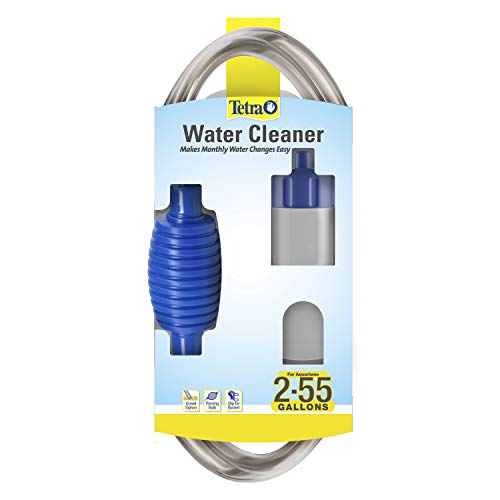
- Tetra Water Cleaner Gravel Siphon: Designed for easy setup and effective debris removal in freshwater aquariums.
FAQ
How often should I clean my aquarium gravel? It is recommended to clean your gravel every 1-2 weeks to maintain a healthy tank environment.
Can I use a regular vacuum cleaner to clean my aquarium gravel? No, regular vacuum cleaners are not designed for aquariums and can harm fish and disrupt the tank’s ecosystem.
Is it safe to remove all the water from the tank during cleaning? No, always leave some water in the tank to prevent stress on the fish and maintain beneficial bacteria.
What should I do if my fish are acting strangely after cleaning? Check water quality parameters and ensure conditions are stable; partial water changes may help if issues persist.
Can I use gravel cleaner on sand substrate? Yes, but be cautious as sand can be more easily disturbed than gravel; use a gentle touch to avoid clouding the water.
What Most Buyers Overlook
- Most mistakes come from rushing prep work or skipping the last verification step.
- A simple tool or accessory can save time and reduce repeat work.
Wrap-Up
Cleaning aquarium gravel is a vital task for maintaining a healthy and vibrant aquatic environment. By following the steps and tips outlined in this guide, you can ensure your fish thrive in a clean habitat. Regular maintenance will not only enhance the appearance of your aquarium but also contribute to the overall well-being of your aquatic pets.
Helpful Tools & Picks
- FUNCTION — Easy to control, convenient to siphon fish faeces, impurities, turbid water…
- 5 Feet HOSE — Made from clear & elastic plastic. Makes it more durable and anti-kinkin…
- GRAVEL TUBE — Sinkable, with a detachable filter screen inside. Will not disturb fish …

- 3-in-1 Gravel Vacuum for Aquarium Cleaner: Seaoura manual aquarium gravel vacuum cleaner…
- Gravel Cleaner for Fish Tank: Aquarium siphon with filter basket net, protect your love …
- New Safety Design: New manual press design, no electricity and no noise, greatly save yo…