Last updated: July 9, 2026
How to Feed Betta Fish: Discover the Best Practices for Healthy Fish
Feeding your betta fish properly is crucial for their health and well-being. In this guide, you will learn how much to feed your betta fish and the best practices to ensure they thrive. Remember, overfeeding can lead to health issues, so it’s important to follow these guidelines closely.
Disclosure: As an Amazon Associate I earn from qualifying purchases.

Before starting, ensure that the food you choose is specifically formulated for betta fish, as their dietary needs differ from other fish species. Always monitor your fish’s behavior and health after feeding to make adjustments as needed.
What You’ll Need
Quality Betta Fish Food: Look for food that is high in protein and designed specifically for bettas to meet their nutritional needs.
Sized Measuring Spoon: A small measuring spoon helps you portion food accurately to avoid overfeeding.
Feeding Schedule Chart: A chart can help you keep track of feeding times and amounts for consistency.
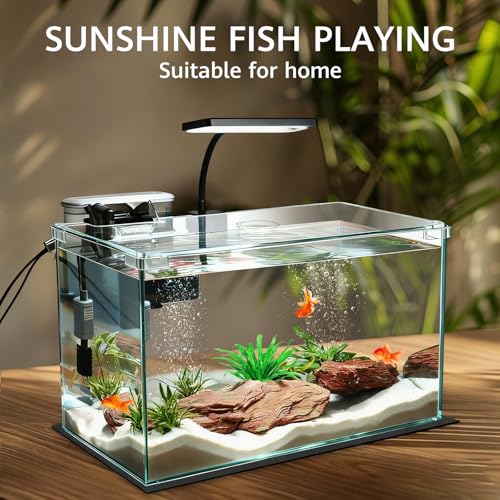
Fish Tank with Aeration: Ensures that the water remains clean and oxygenated, which is essential for betta health.
Step-by-Step
- Choose the Right Food: Select a high-quality betta fish food like Fluval Bug Bites, which contains essential nutrients and proteins.
- Determine Portion Size: Feed your betta fish as much as they can consume within two minutes. This prevents overfeeding and waste buildup.
- Establish a Feeding Schedule: Feed your betta fish two to three times a day to provide consistent nutrition.
- Observe Feeding Behavior: Watch your betta while they eat to ensure they are consuming the food and not leaving excessive leftovers.
- Adjust Portions as Needed: If your betta is gaining weight or if there is leftover food, reduce the portion size accordingly.
- Consider Automatic Feeders for Vacations: Use products like the Fluval Vacation Feeding Block for short trips to maintain a steady food supply without overfeeding.
- Monitor Water Quality: Regularly check the water quality to ensure that leftover food does not deteriorate the environment.
- Consult Resources: Refer to guides like “Betta Fish for Beginners” to deepen your understanding of betta care and feeding.
Pro Tips for Better Results
Always vary your betta’s diet by incorporating different types of food, such as pellets, flakes, and freeze-dried options. This variety can help prevent nutritional deficiencies. Additionally, ensure that the food is appropriate for your betta’s size to make eating easier and more enjoyable.
Common Mistakes
One frequent mistake is overfeeding, which can lead to health problems like swim bladder disease. Another mistake is not considering the type of food; using general fish food instead of betta-specific food can result in inadequate nutrition. Lastly, neglecting to monitor water quality after feeding can lead to serious tank issues.
Troubleshooting
If your betta fish is not eating, check the water temperature and quality, as stress can affect their appetite. If food is consistently left uneaten, reduce the portion size and observe your fish for any signs of illness. In cases of bloating or unusual behavior, consult a professional or specialized resource.
What to Expect
- Now with high protein micro pellets
- Great for bottom feeders
- Do not use this product in fish bowls or aquariums which do not have aer…
Maintenance / Next-Time Checklist
- Regularly clean the tank to prevent waste buildup.
- Check the water parameters weekly to ensure a healthy environment.
- Keep a log of feeding amounts and times for reference.
- Rotate food types to provide balanced nutrition.
- Observe your betta’s health and behavior daily for any changes.
Recommended Products & Tools
Quality Betta Fish Food: Essential for providing the right nutrients for your betta. Products like Fluval Bug Bites are formulated specifically for bettas. Measuring Spoon: Helps ensure you are feeding the correct portion size, preventing overfeeding. Feeding Schedule Chart: A useful tool for tracking feeding times and amounts, ensuring consistency in your betta’s diet. Automatic Feeders: Great for maintaining feeding schedules when you are away, such as the Fluval Vacation Feeding Block, which offers a slow-release option to prevent overfeeding.
FAQ
How often should I feed my betta fish? It is best to feed your betta fish two to three times a day, with portions they can consume in about two minutes.
Can I feed my betta fish flakes? Yes, but ensure the flakes are specifically designed for bettas, as they require a protein-rich diet.
What happens if I overfeed my betta fish? Overfeeding can lead to health issues, including swim bladder problems and poor water quality.
Are there any foods I should avoid? Avoid feeding your betta fish food not formulated for them, such as generic tropical fish flakes or large pellets not suitable for their size.
How can I tell if my betta is healthy? A healthy betta fish is active, has vibrant colors, and displays normal swimming behavior without bloating or lethargy.
What Most Buyers Overlook
- Most mistakes come from rushing prep work or skipping the last verification step.
- A simple tool or accessory can save time and reduce repeat work.
Wrap-Up
Feeding your betta fish the right amount and type of food is essential for their health. By following these guidelines and adjusting as needed, you can ensure your betta thrives in its environment. Regular observation and care will help you maintain a happy and healthy betta fish.
Helpful Tools & Picks